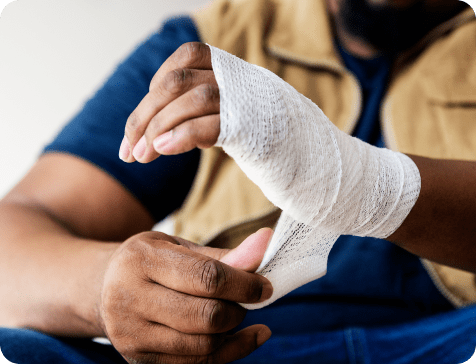
Wounds are a common occurrence, whether they are caused by accidents at home, work, or during High-Quality First Aid Kits physical activities. Knowing how to dress and bandage a wound properly is an essential skill that can help prevent infection and promote healing. However, many people are unsure of how to dress and bandage a wound, which can lead to further complications.
In this blog post, we will provide you with step-by-step instructions on how to properly dress and bandage a wound. We will also discuss the different types of dressings and bandages, as well as how to choose the right one for your particular wound.
By the end of this post, you’ll have a better understanding of wound care and be better equipped to handle any injuries that may come your way.
The Importance Of Wound Care
Wound care refers to the process of cleaning, treating, and protecting wounds to promote healing and prevent infection. Proper wound care is essential for preventing complications, reducing pain, and minimizing scarring.
Wounds can result from a variety of causes, including accidents, surgical procedures, and chronic conditions such as diabetes. If not properly cared for, wounds can become infected, leading to complications such as cellulitis, abscesses, and sepsis.
Proper wound care involves cleaning the wound thoroughly, removing any debris or foreign objects, and applying appropriate dressings or other treatments to promote healing. Additional steps may be necessary depending on the wound’s type and severity.
Why Dressing And Bandaging Is An Important Part Of Wound Care?
Dressing and bandaging are essential components of wound care because they provide a protective barrier that helps to promote healing and prevent infection. Here are some reasons why dressing and bandaging are important in wound care:
Protection Against Infection
Wound dressings and bandages create a barrier that helps to prevent bacteria, dirt, and other contaminants from entering the wound. This is important because a contaminated wound is at risk of developing an infection, which can lead to complications and delay healing.
Absorption Of Excess Fluids
Wound dressings can absorb excess fluids, such as blood or pus, that may be present in the wound. This helps to keep the wound clean and dry, which is important for preventing infection and promoting healing.
Certain types of wound dressings, such as those containing silver or collagen, can help to promote healing by stimulating the growth of new tissue and reducing inflammation. Dressings can also provide a moist environment that is optimal for wound healing.
Reduction Of Pain
Dressings and bandages can provide cushioning and support that can help to reduce pain and discomfort associated with the wound. This is especially important for wounds located in areas subject to pressure or friction, such as the feet or hands.
 Site Title
Leave a comment